Clothing, Culture, and Privilege
People often say to me, “You look nice. What are you dressed up for?”
I usually answer, “Thanks! Oh, nothing. These are just my clothes. They were in my closet, so I thought I might as well wear them!”
Sometimes, though, I feel just a bit guilty. In those moments, I know that I’m exercising a privilege that relatively few have.
Why I Wear Traditional Clothing
Perhaps the main reason I dress traditionally is that I wear the sort of things I grew up seeing men in my family wear.
My family is fortunate to have photos of our ancestors dating back to the advent of photography.
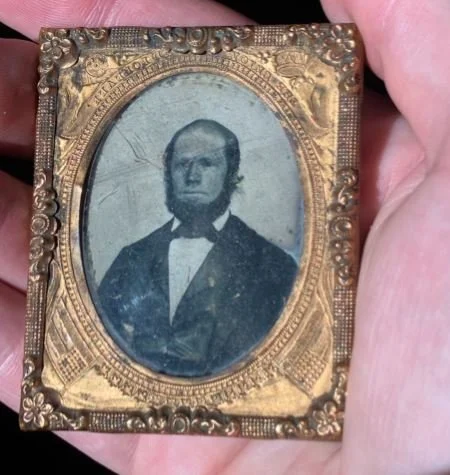
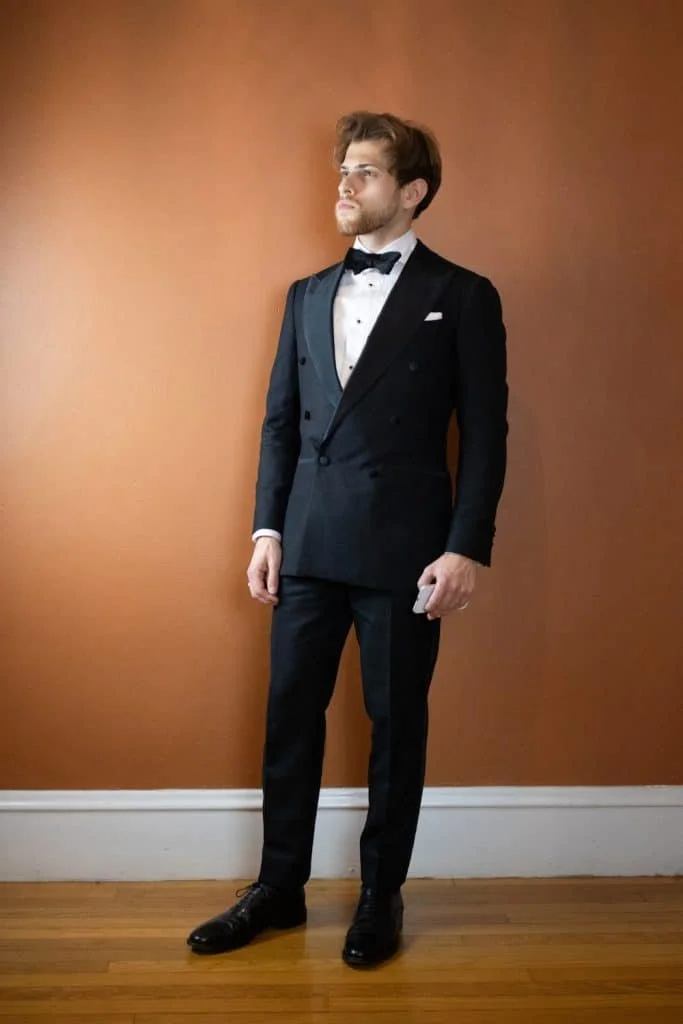
An ambrotype photo of an ancestor from the 1860s (left). Me wearing very similar clothing today (right). Despite the huge gap in time, men’s formalwear hasn’t changed that much.
We have copies of paintings of some of our forefathers from even further back.
Most of the men in the portraits are wearing clothing that’s not too far off from what I often wear today — creased tailored trousers, a collared shirt, and a tailored jacket.
Sure, the cut and fit of the clothing varies decade-to-decade, but, overall, that’s what I see relatives wearing going back hundreds of years.
Growing up, my grandfather would often go out to work on his farm wearing creased trousers and a button-up workshirt (along with a trucker cap from the feed store).
My dad, an optometrist, has always been very intentional with how he dresses, both at work and at home. As a kid, I remember that even on vacation he’d wear his button-up shirt tucked in and dress pants or khakis.
Trying to dress well, often wearing more traditional tailored clothing, is one way I remind myself that I am part of this unspoken tradition.
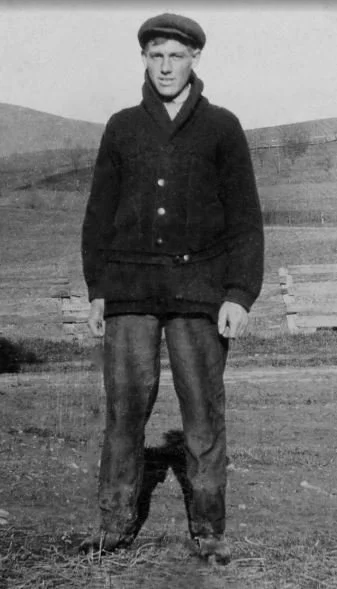
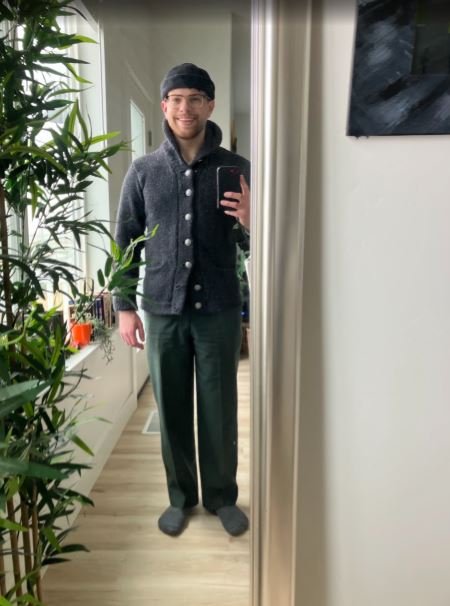
My great-grandfather, Bert Van Wie (left). Me wearing a cardigan I knit using a 1920’s pattern in the same style as his (right). Over a hundred years later, it is still socially acceptable to wear practically the same thing as my ancestor. That’s not the case for most people in the world.
It connects me to my heritage and reminds me that I didn’t just end up where I am today in a vacuum. I owe a great debt to my forebears, men and women, for their hard work, which affords me so many things — access to many skills and so many opportunities — that I so often take for granted.
History
Today, it is a statement when world leaders deviate from a plain, dark-colored, two-button business suits.
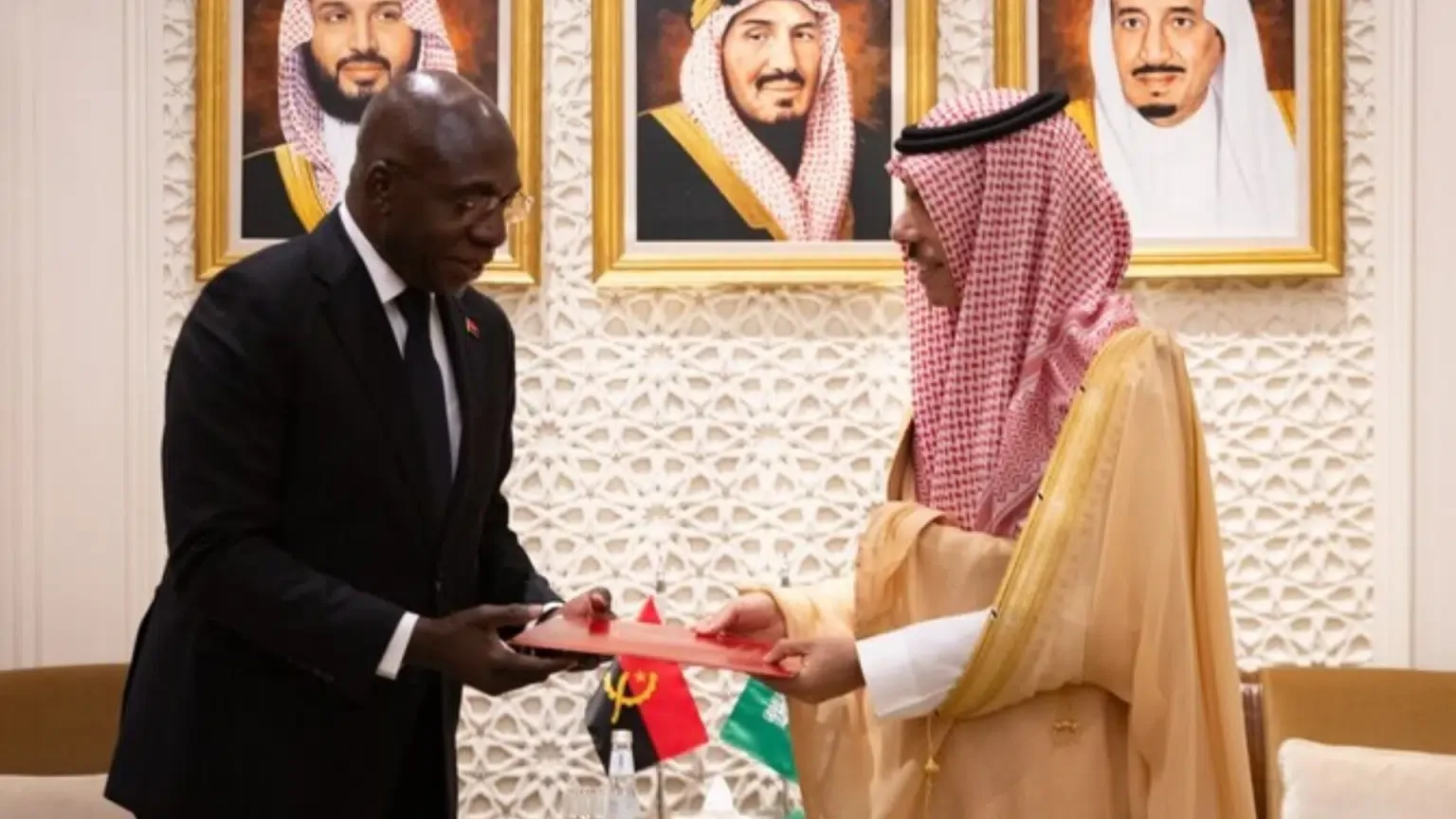
For example, the sheikhs of the Middle East in their thaubs show that they are aloof from the rules and norms of the West.
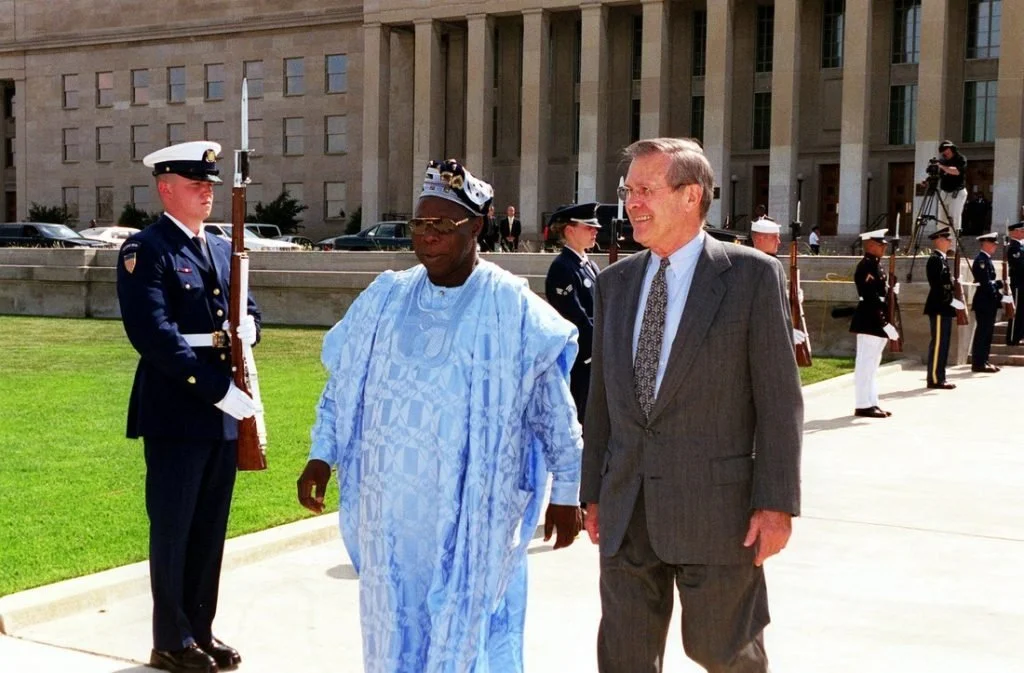
Similarly, some African leaders wear traditional hats and robes, accentuating their tribal identities over that of their former colonial invaders.

The Pope dresses according to ancient customs, showing that, while he is a world leader, he is distinct and above the fray.
The rulers of most countries, however, even countries rich in their own unique sartorial traditions, opt for the business suit of British origins.
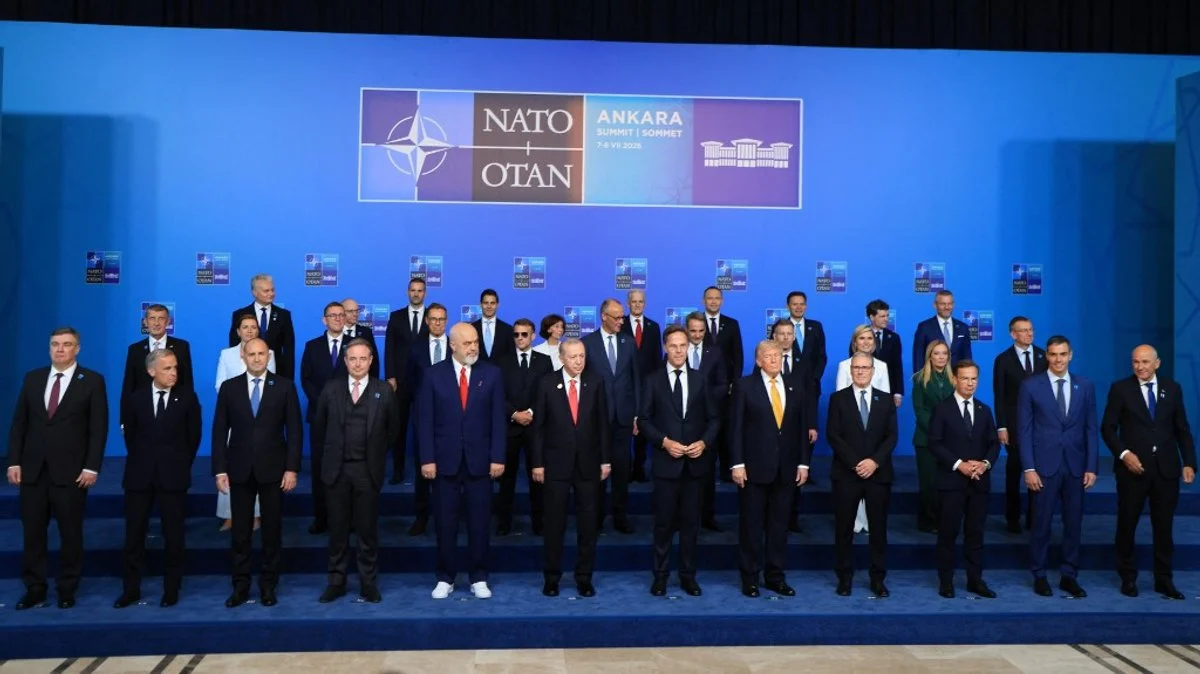
See what I mean? (Also, the white sneakers are killing me!)
It just so happens that England’s, and by extension white colonial America’s, national dress evolved into the global standard for men’s clothing.
The insatiable colonialist and imperialistic appetites of the British Empire, and later the United States, spread their clothing styles across the world.
I could delve deep into the history of individual garments, how they morphed over centuries and decades, and how they proliferated and landed on the backs of the everyday man. However, suffice it to say that, by the end of the Second World War, the business suit and its variations had become the de facto uniform of respectability on the world stage.
When the Japanese emperor surrendered in 1945, he boarded the USS Missouri wearing a tailcoat and a top hat — he was presenting himself at the pinnacle of Western respectability. In a way, how he dressed prophesied that Japan’s defeat to the West wasn’t just a military loss — it was to have immense cultural effects as well.
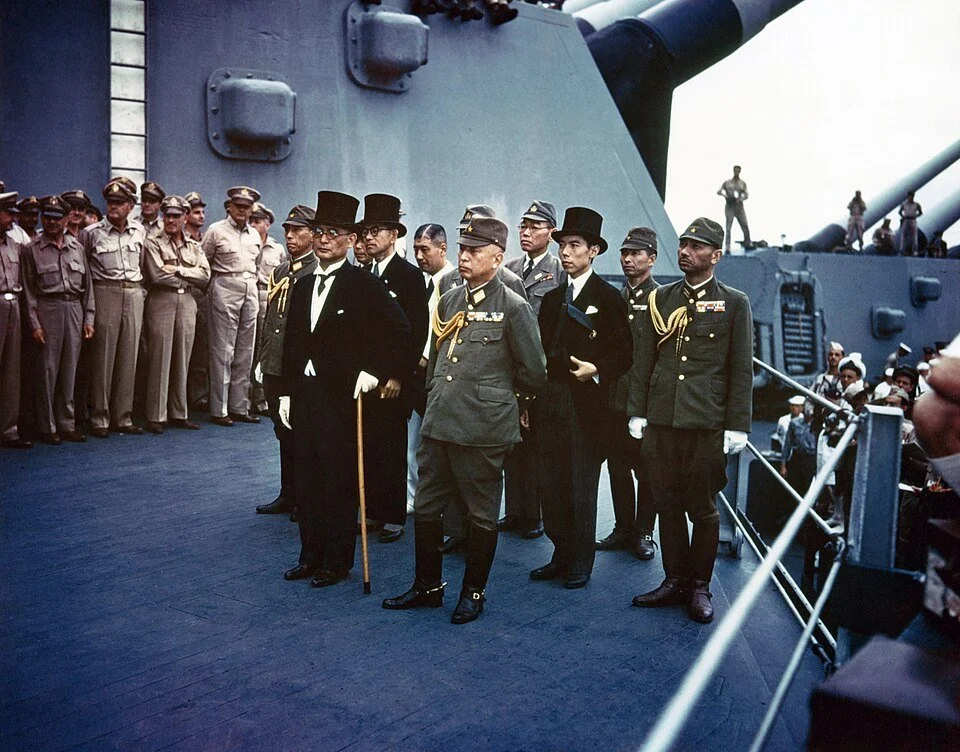
Over 80 years later, the business suit remains de rigeur for world leaders.
Privilege
So why do I feel that twang of guilt?
Because, dressing in a way that reflects and honors my family and heritage is a privilege very few people enjoy.
England and early America are where many (probably most) of my ancestors were from.
The reason that what I wear is socially acceptable is largely because of conquest and cultural (and the regular kind of) imperialism.
I wear tailored clothing because it’s my heritage.
Yes, I’m glad that it’s enjoyed by people around the world. However, I’m also sad that it is so ubiquitous that it has replaced countless incredible traditional clothing styles. I
f I had a different family and culture, I’m pretty certain I’d still wear traditional clothing — even if I it didn’t necessarily align with social norms.
If I were Arabian, I’d wear a thaub more or less daily.
If my family were Buryad, from a tribe from Mongolia, I’d be wearing a deel.
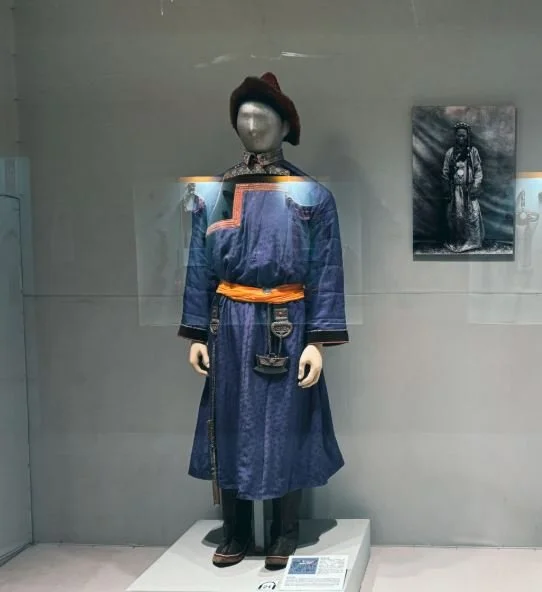
A traditional Mongolian deel.
If I were of Wamponoag heritage, I truly believe I’d be regularly wearing my traditional clothing.
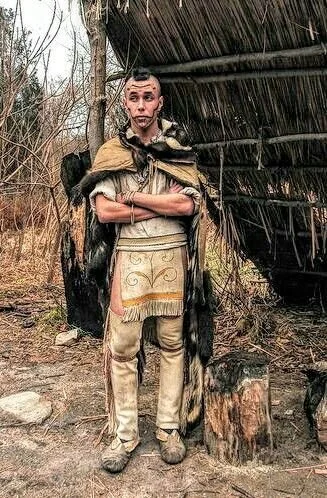
I wish I looked this cool…
Two years ago, I interviewed Tūranga Morgan-Edmonds, a Māori guy my age from New Zealand. (You can read part 1 of the interview here.)
He is the first in his family in generations to wear moko — traditional Māori face tattoos.
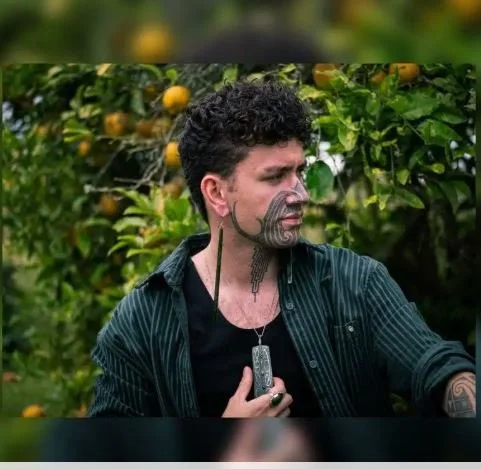
Tū, looking incredible. Source: @krystalblackphoto
He told me about how, since getting them, he feels so much more connected to his heritage.
If I were Māori, I’d probably seriously consider doing the same.
It’s Not So Simple
I realize that my perspective is simplistic. There are some hard questions and too few answers.
“What about people who don’t know where their family is from?”
“What about people who have many distinct and clearly different cultural influences in their ancestry or their upbringing?”
“Many of the examples you shared were always, even historically, used for mostly ritual or ceremonial events. They weren’t really ever everyday wear.”
“Cultures change and evolve. Just like the people, the traditional clothing needs to change too.”
For many people, especially young people, from different cultures, their traditional clothing has been relegated strictly to ceremonial use or for cultural demonstrations for tourists.
Even worse, many cultures’ traditional garb has vanished completely — outside of perhaps a few museum pieces or a couple of crude sketches from Western explorers.
My heart goes out to these people.
Attempts to try and reclaim their sartorial heritage may very likely be met with ridicule, even from within their own cultural or ethnic group. I can imagine their peers or parents saying, “You look ridiculous. Not even my grandfather wore that!”
What “Counts” as Heritage?
Although I’m as white as they come, my family records show that Massasoit, leader of the Wampanoag confederacy, was my 12th great-grandfather.
I never would’ve guessed that out of all the statues on the BYU campus, the one I’m related to looks the least like me (though I wish I looked like that!).
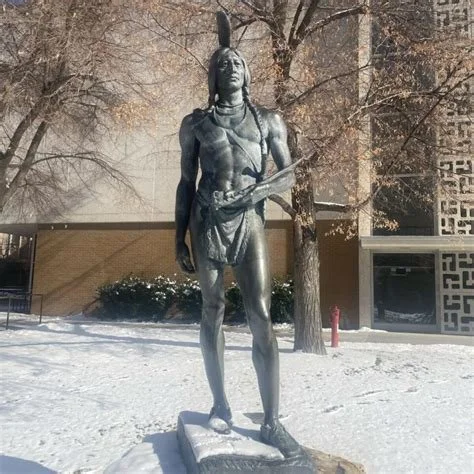
However, although it is technically part of my heritage, I’m not about to start dressing like this. I am so far removed, 365 years removed, from the death of my 12th great-grandfather that it would feel disingenuous to claim his culture and clothing styles as my own.
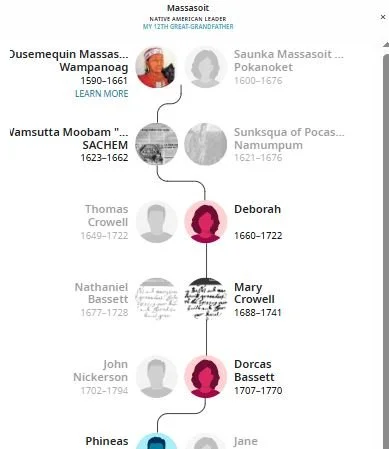
Think about it: Massasoit is just one of as many as 16,384 12th great-grandparents that I have.
I could maybe see a subtle nod to this familial connection in a piece of jewelry, or something like that, feeling appropriate. But, I’m definitely not donning the whole traditional Wamonaog getup and going out to a night on the town.
While this is a bit of a hyperbolic example, it is difficult to know where the line is between embracing culture and laying claim to heritage that is not really yours.
It Isn’t Fair
I want to be clear that I do not judge or fault anyone for not wearing the traditional clothing of their “tribe”, whatever their “tribe” may be. I also am not trying to gatekeep the type of clothing I wear.
What I am saying is, I get a lot out of wearing clothing that connects me to my ancestors. And I’m sad that so many people don’t have that luxury.
If I were Wamponoag and wanted to wear the kind of clothing pictured above to an interview, I probably wouldn’t even be considered for the gig. That said, I can wear my culture’s traditional clothing to a job interview without anyone batting an eye. That’s simply not fair.
I know that this is just one of the many ways I am privileged.