

Why Representation Matters
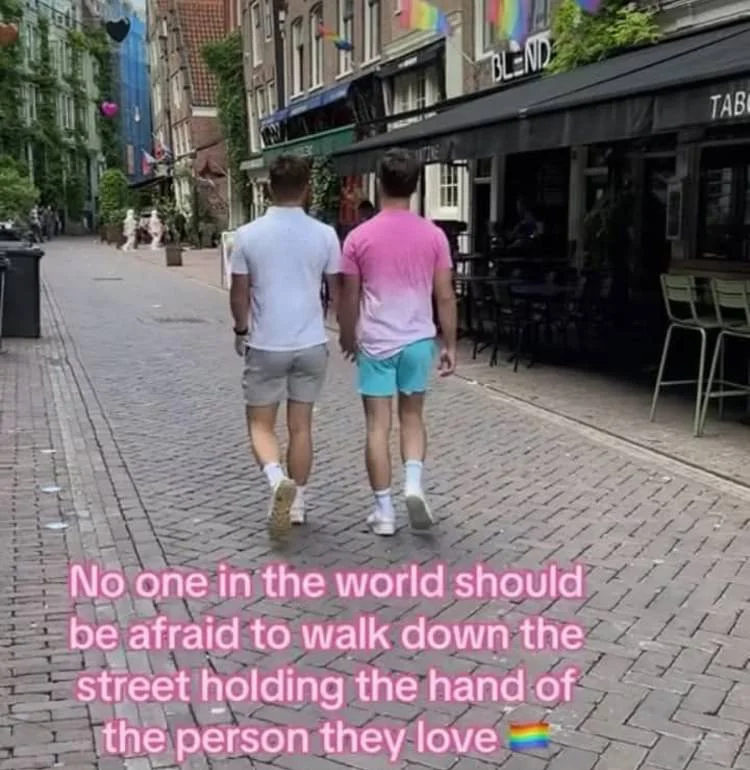
I stared out the window, lost in thought as green blurs whizzed by. I didn’t know how I felt. Shocked? Embarrassed? Anxious? Worried about the future?...
“Worried about the future?”
I paused.
“That doesn’t make sense. Why would I be? What I saw has absolutely nothing to do with me.
Then why do I still feel a pit in my stomach?”
I was 17, and it was my senior year of high school. A new WWII movie had just come out, and this one involved math.
“Based on a true story” and math? That’s my dad’s kind of movie. He was so intent on seeing it that he drove my older brother and me all the way to Ithaca, an hour away, to the only movie theater in the area that was showing it.
In the film, Benedict Cumberbatch plays Alan Turing, an absent-minded, socially inept genius, who tries to crack the Nazi code.
The film shows Turing being constantly misunderstood, both in his obsession with solving the cypher and in his personal life.
I remember there being flashbacks to his childhood. In boarding school, he developed an intense bond with a fellow student — another boy. After that boy died, young Turing was devastated.
Eventually, Turing is outed as gay. In the fallout of this revelation, he loses his job, gets arrested, is sentenced to house arrest, and undergoes court-mandated chemical castration. Ultimately, he kills himself in abject despair.
By the time the credits crept onto the screen, I was in shambles. I walked away utterly devastated.
I remember leaving the theater and my dad saying something like. “I liked it, but I don’t think they needed to include all that stuff (implying the gay stuff)”.
That was the first time in my life that I saw any representation of a gay or queer person in media.
Ten years later, I was freshly out as gay. I snuggled with my then-boyfriend on his comically big bean bag chair as we watched a new show.
Heartstopper follows two teenage boys, Charlie and Nick, as they fall in love.
They understand and help one another as they navigate their individual struggles. Their friends, family, and community are also incredibly supportive.
We were several episodes in when it’s revealed that Charlie had developed severe mental and physical challenges due to anorexia.
I paused the TV.
“You know how I have a hard time eating sometimes?”
“Yeah.”
“I think I have anorexia, too. But for me, it’s a little different than for Charlie…”
In that moment, I was able to open up about my struggles with food and body image in a way I hadn’t been able to ever before.
Months later, when I began treatment at an eating disorder hospital, I shared scenes of Charlie’s treatment and recovery process with family. I found those scenes were very true to life. They explained what I was experiencing more clearly than I could in my mental fog.
I was so thankful that my boyfriend helped and supported me even better than Nick supported Charlie. Watching them have tough conversations sometimes helped give us a starting point for our own difficult discussions.
If I had seen Heartstopper when I was 17 instead of when I was 27, I truly think that it would’ve changed my life. Until I watched the series, I’d never seen a gay couple depicted positively in media.
Seeing a loving gay couple wouldn’t have turned me gay. I was already gay. However, it could’ve saved me years of self-dislike and curtailed years of internalized (and too-often externalized) homophobia.
Growing up, I remember people in my family, church, and community saying that it’s not appropriate for kids to learn about what it means to be gay, let alone see depictions of gay couples in media. As I remember it, the reasoning was that “it’s not age-appropriate, being gay is sinful, and that kids are impressionable and shouldn’t have to think about things like that.”
The first problem with this argument is that it assumes that being “gay” is bad, and it should be avoided. The second issue is assuming it can be avoided to begin with! Third, it implies that anything gay is an adult subject.
Being open about being gay means that I don’t need to feel a fight-or-flight response every time I get asked how dating’s going. It means that I don’t feel a need to self-monitor. For much of my life, there were things I did and didn’t do because I didn’t want anyone to think I was gay.
I didn’t ever try acting in high school, even though I was interested, because “theater is gay”. I threw out the option of going to San Francisco University for grad school because a family member said, “San Francisco? Why would you go there? That’s where all the gay people live!” I was careful not to talk or act in any way that might be construed as gay, and on and on. As you can imagine, living like that was exhausting.
Being “proud” of being gay doesn’t just mean that I’d rather date a guy than a girl. Being able to say, “I’m gay”, means that I’m finally able to stop lying to myself and others. It acknowledges all of the experiences growing up that I missed out on. It represents how I’ve faced my struggles with self-contempt, suicidal thoughts, body dysmorphia, anorexia, and scrupulosity — all weeds that sprouted up in the cracks inside of me. Cracks caused, at least in part, by growing up in a place in which to be gay means hiding, not belonging, not knowing anyone like you, and not even seeing any examples of someone blazing a way forward.
I’m acquainted with many gay people who have been out since their early teens. They escaped years of quiet, solitary suffering by coming out. For many people, coming out as gay isn’t possible without seeing the examples of others.
Why does representation matter?
That’s just it. Positive representation of gay characters and relationships in media can provide the language, if you will, for closeted gay people to begin to describe their lived experience. Sometimes, it can also help people to realize that they aren’t alone in the world.
Consider this review of Heartstopper:
“Heartstopper saved my life. Witnessing Nick and Charlie’s love made a boy like me with OCD and an eating disorder accept myself as also a gay man.” – Arty Feliz
Or this one from another viewer:
“... it was also genuinely life-changing for me in terms of accepting myself and my queer identities. It's so easy to fall into self-hate and repression when you live in a world with so much loud homophobia and transphobia, but Heartstopper is just a pure beacon of queer joy, and I needed that so deeply.”
Positive depictions of loving gay couples in media can literally save lives. Positive media can not only help gay people to accept themselves, it can also help the wider public see gay people as regular people with everyday, relatable challenges. Once a person or group feels relatable, there’s greater room for empathy. Then, with empathy, the door to candid conversations opens.
For instance, I know a Latter-day Saint mother who watched Heartstopper with her (presumably-straight) teenagers. She told me how much her kids loved that show. After seeing their mom be accepting of fictional queer characters, they know that she’s someone they can talk to if they have questions, even just general inquiries, about sexuality, gender identity, and other potentially difficult subjects.
In contrast, not having any examples of gay representation, or potentially worse, seeing only negative narratives, can exacerbate feelings of shame and guilt. These feelings can lead to depression, as well as persistent fear and anxiety. Seeing The Imitation Game as a teenager made me even less comfortable with the subject of sexuality. The message I received, on top of my understanding that being gay meant that you can’t be with your family after you die, was that gay people are also destined to be misunderstood and abused for being honest about who they are. No thank you…
While important, should gay representation be shoehorned into every Hollywood production or Netflix series? No, of course not.
However, gay characters and relationships represented in media in natural, normal, and age-appropriate ways help to dispel ignorance and homophobia from individuals and families. Relatable gay characters can demystify and destigmatize misconceptions and prejudice. Gay representation can help gay kids to not feel so alone in the world and to muster the courage they need to boldly move forward in their lives.